By Laura Elleby
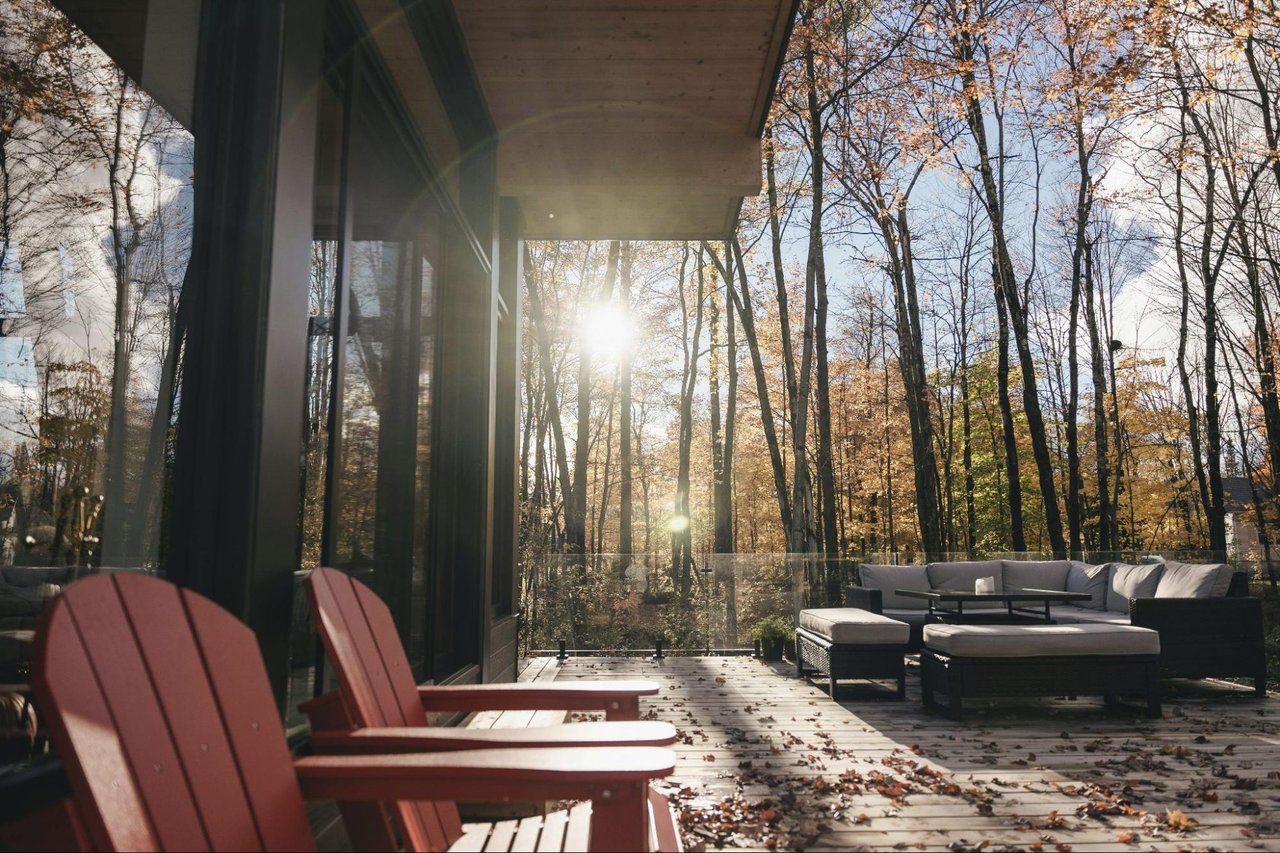
If you have ever stood on a deck in Blue Ridge, GA, and watched the morning fog roll through the wilderness, you already understand why outdoor living is not just a design choice here — it is a lifestyle. The Blue Ridge Mountains give homeowners something that no amount of square footage can replicate: a living backdrop that changes with the seasons, from the first spring dogwoods to the fiery reds and oranges of autumn foliage.
Blue Ridge is a mountain town with a strong architectural identity, and the best outdoor spaces here feel like a natural extension of the landscape rather than an imposition on it. The way you configure your outdoor areas will directly shape how much you connect with the views, the elevation changes, and the crisp mountain air that make this part of North Georgia so appealing.
This guide walks through the key decisions involved in creating an outdoor living space designed around the Blue Ridge, GA, environment. From choosing the right materials for mountain conditions to maximizing your sightlines, every choice you make can bring you closer to the views you moved here for.
Key Takeaways
- Orienting your deck, porch, or patio toward the most prominent mountain views is one of the most important early design decisions you will make.
- Natural materials, such as cedar, reclaimed wood, and stone, complement the Blue Ridge landscape and hold up well against seasonal weather shifts.
- Layered outdoor spaces, such as a covered porch paired with an open deck, give you flexibility across all four seasons.
- Outdoor fireplaces and fire pits extend the usability of your space into cooler months and create a compelling visual anchor for the area.
- Thoughtful lighting design helps preserve the natural ambiance of the mountain environment at night without competing with your stargazing.
Start With Sightlines and Orientation
Before you pick materials or furniture, the most important design decision is where your outdoor living space faces and how it is positioned relative to your property's natural topography. In Blue Ridge, you are often working with sloped terrain, tree lines, and layered ridgelines that require intentional planning to make the most of.
Walk your property at different times of day before finalizing any plans. Morning light in the mountains behaves differently from afternoon light, and the views shift accordingly. A deck oriented to catch the sunrise will feel completely different from one that opens toward a western ridge where sunsets are the main event. Knowing which views matter most to you will anchor every other decision you make.
On sloped lots, cantilevered or multi-level decks are often the best way to extend your living space out over the terrain without losing the view to a guardrail or a downhill tree line. Working with the grade rather than against it creates a more organic connection between your home and the mountain landscape.
Elements That Shape Your Sightlines
- Position your primary seating area facing the most dominant ridgeline or valley view, not the house.
- Use lower-profile railings made of glass, cable, or thin metal to keep sightlines open across the full width of your deck.
- Consider where mature trees will be in five to ten years, since fast-growing hardwoods can quickly block views that are open today.
- On multi-level properties, a raised upper deck often provides significantly better views than a ground-level patio.
Choose Materials That Work With the Mountain Environment
The mountain climate brings real seasonal variation. Winters include freezing temperatures, occasional snow and ice, and high moisture, while summers are cooler and wetter than most of Georgia. Your material choices need to reflect that.
Cedar and pressure-treated lumber remain popular for decks throughout the Blue Ridge area because they handle moisture and temperature swings well, especially when properly sealed and maintained. Composite decking has gained ground as a lower-maintenance option that resists mold and warping over time. For a look that feels more connected to the landscape, reclaimed wood adds texture and character that new lumber simply cannot replicate.
Stone is one of the most compelling material choices for outdoor living spaces in the mountains. A stacked stone fireplace, flagstone patio, or natural boulder retaining wall reads as belonging to the landscape in a way that poured concrete never will. Sourcing local stone, whether it is Tennessee crab orchard, fieldstone, or Georgia granite, ties your outdoor space visually to the region.
Material Choices to Consider
- Cedar decking offers natural resistance to moisture and insects, and its warm tones complement mountain surroundings.
- Composite decking in earth tones requires less maintenance than natural wood and holds color well across seasons.
- Flagstone and natural slate work well for ground-level patios, fire pit areas, and covered porch floors.
- Board and batten or rough-sawn siding on outdoor structures reinforces the mountain architectural aesthetic.
- Metal roofing on covered porches and outdoor pavilions is both practical in heavy rain and consistent with the regional style.
Design for All Four Seasons
One of the things that makes Blue Ridge real estate so appealing is that the mountain environment rewards every season differently. A well-designed outdoor living space should be usable and enjoyable throughout the year, not just during the warmer months.
A screened porch is one of the most versatile investments you can make in a Blue Ridge home. It keeps insects out during summer evenings while still letting the mountain air flow through, and with a ceiling fan and simple curtains, it extends comfortably into the cooler parts of spring and fall. Pairing a screened porch with an adjacent open deck gives you two different experiences from the same basic footprint.
An outdoor fireplace or fire pit is not just a design feature in the mountains; it is a functional necessity for anyone who wants to use their outdoor space in October and November, when Blue Ridge fall foliage is at its peak. Stone fireplaces provide a sense of permanence and warmth, while a fire pit area with movable seating gives you more flexibility in how you use the space.
Features That Extend Your Season
- A covered, screened porch creates a transitional space between indoors and out across spring, summer, and fall.
- An outdoor fireplace or wood-burning fire pit makes cool-weather evenings fully enjoyable without retreating inside.
- Radiant heaters mounted under a pergola or covered structure add warmth when you want to stay outside on colder nights.
- Retractable awnings or shade sails protect your space during summer afternoon storms.
Layer Your Lighting Thoughtfully
Lighting in a mountain environment requires a different approach than in suburban or urban settings. One of the great rewards of living in Blue Ridge is the night sky, and harsh or poorly placed lighting can undercut both the stargazing and the mood of a space that is otherwise defined by natural wonder.
The goal is to light the areas where you need it without flooding the landscape. Path lighting along steps and walkways addresses navigation without being intrusive. String lights strung across a porch or pergola add warmth and ambiance at a low intensity. For a deck where you spend your evenings, low-voltage recessed lighting in the deck boards themselves casts light downward rather than outward, keeping the surrounding darkness intact.
Downlights mounted in a covered porch ceiling are a practical choice for task lighting during outdoor dining, and they can be dimmed for atmosphere when the meal is done. The key principle throughout is directing light where it is needed while preserving the natural quality of the night.
Lighting Approaches That Work in the Mountains
- String lights or bistro lights across a pergola or between posts add warmth without overpowering the environment.
- Low-voltage in-deck lighting along stair risers and deck edges creates a pathway at night without disrupting the view.
- Dimmable ceiling lights in screened porches and covered areas give you full control over the ambiance.
- Solar-powered path lights work well along garden and trail paths through your property.
FAQs
What Type of Deck Material Holds Up Best in the Blue Ridge, GA, Climate?
Composite decking and cedar are both great choices for the Blue Ridge mountain climate. Composite decking resists moisture, mold, and warping, which makes it low-maintenance across the seasons. Cedar is a natural wood option that handles the elements well when properly sealed. Either will serve you well, and the right choice often comes down to the aesthetic you want and how much upkeep you are willing to take on over time.
How Do I Maximize Views on a Sloped Mountain Property?
On sloped lots, multi-level or cantilevered deck designs allow you to position your primary living area at the elevation that captures the best sightlines, rather than defaulting to a ground-level patio. Low-profile railings made of glass panels or cable systems also make a significant difference by keeping the view open across the full width of your deck rather than interrupting it with solid balusters.
What Landscaping Choices Work Well Around a Mountain Outdoor Living Space?
Native plantings are almost always the best choice around a Blue Ridge home. Plants like mountain laurel, rhododendron, ferns, and ornamental grasses thrive in the soil and climate conditions and require less intervention than non-native species. They also reinforce the natural character of the landscape rather than working against it.
Your Mountain Views Deserve a Space Built Around Them
The outdoor living spaces that work best in Blue Ridge are the ones that take the landscape seriously: the ridgelines, the elevation, the seasonal shifts, and the quality of light at different times of year. When your deck, porch, or patio is designed with those factors in mind rather than added as an afterthought, the result is a home that feels connected to the mountains surrounding it.
If you are exploring Blue Ridge, GA, real estate and want to find a property that gives you the outdoor living potential you are looking for, I am here to help you identify the right opportunities and make the most of them. Reach out to me, Laura Elleby, to get started.